Why Collections Matter
When people hear the word “collection”, it’s easy to assume it means a set of images designed to be bought and displayed together. A matching series, all working as one.
That’s not what mine are.
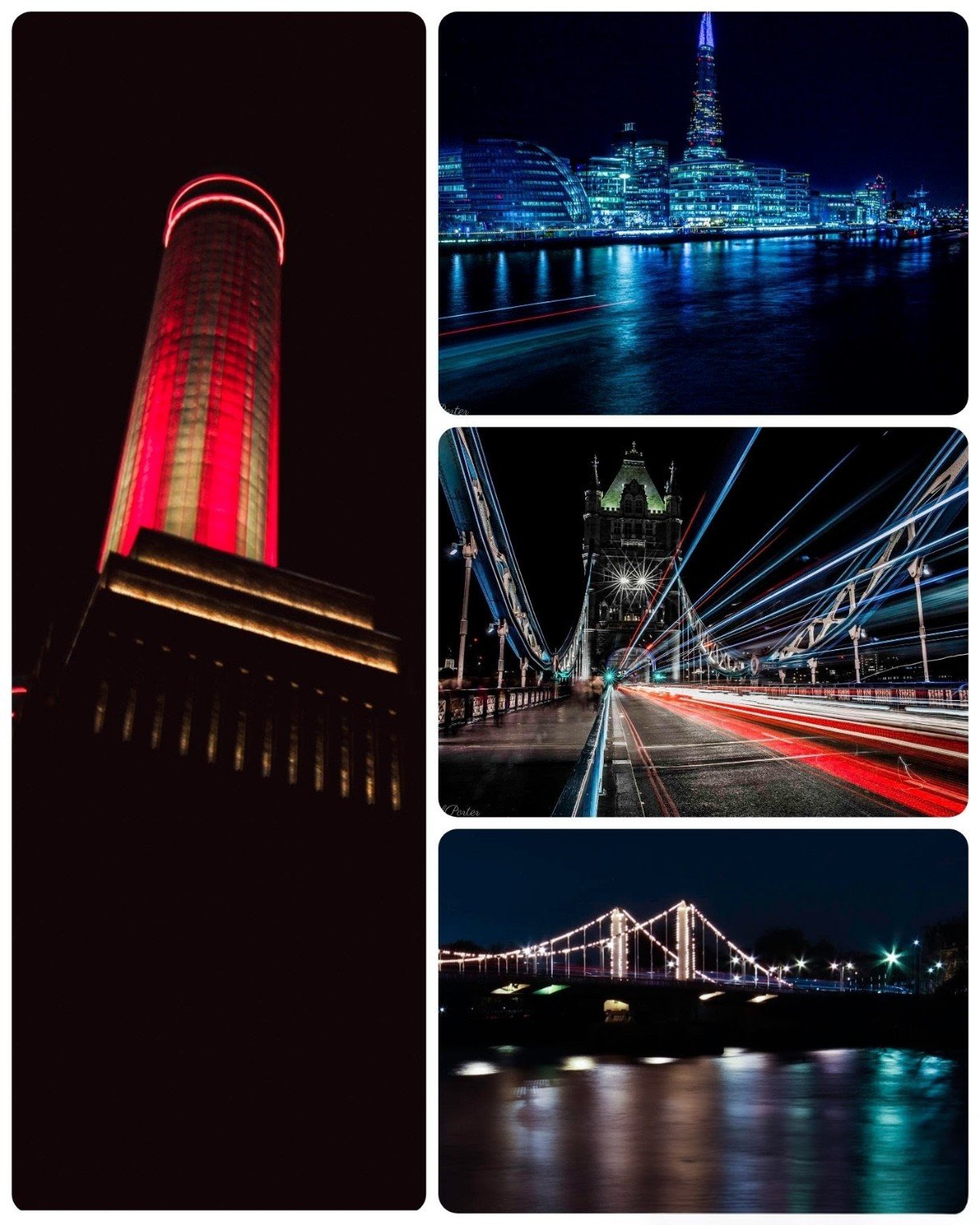
Each collection is a way of grouping work that shares a similar feel. It might be colour, structure, mood, or the way a scene is captured. They’re not designed as sets, and they’re not intended to be installed side by side. They’re there to give some clarity to what would otherwise just be a long list of individual images.
Without that structure, everything starts to feel disconnected. You’re not really sure what you’re looking at, or how one piece relates to another. The work loses some of its identity.
Collections solve that.
They make it easier to understand the work, not just as single images, but as part of something more considered. If you’re drawn to one piece, there’s a good chance you’ll find others within the same collection that carry a similar tone. Not identical, but aligned.
For me, it also changes how I select and refine images.
It’s not just about whether something is good on its own, it’s about whether it fits. Whether it strengthens the collection it belongs to, or sits slightly outside of it. That process has led to a lot of images being removed, even ones I liked, simply because they didn’t belong anymore.
That might sound restrictive, but it actually does the opposite.
It creates focus.
Each collection becomes more intentional, more defined, and ultimately more useful. Not because it’s trying to be a series, but because it gives you a clearer way of finding something that feels right for a space.
In the end, that’s what they’re there for.
Not to tell you what to choose, but to make it easier to recognise what you’re naturally drawn to.