
Light not places…
I have never been particularly interested in ticking places off a list. Locations matter, of course, but they are rarely what draws me to lift a camera.
What I am responding to is light. How it falls, how it fades, how it transforms something familiar into something that feels momentary and alive.
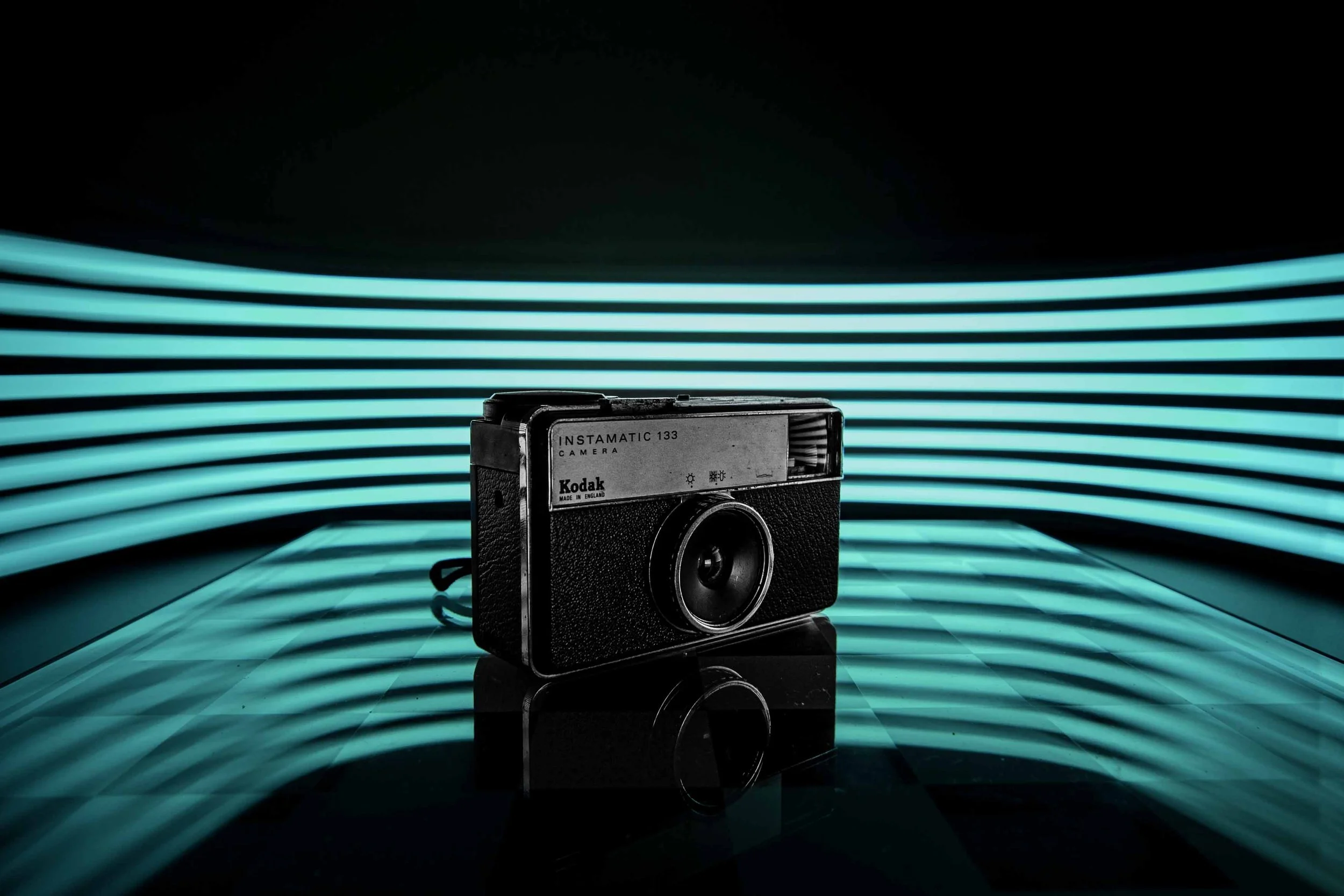
Light has a way of rewriting reality. A street you pass every day can feel entirely different when the sun drops low or when artificial light takes over after dark. The subject does not change, but the emotional register does. That shift is what I am chasing.
When I look back through my work the common thread is not geography but atmosphere. A golden glow that softens edges. A hard neon line that cuts through darkness. Reflections that bend space just enough to feel unreal. These are not accidents. They are the moments when light becomes expressive rather than functional.
Photography often gets framed as documentation. Where were you. What did you see.
My approach is closer to interpretation. How did it feel. What did the light do to the space. What mood did it create, the focus being on how it resonates with people.
This is why I can return to the same places again and again. A bridge at midday tells a very different story at night. A calm river under a blue sky becomes something else entirely when reflections flatten the surface and remove depth. Light allows one place to contain many images.
“Light makes photography. Embrace light. Admire it. Love it. But above all, know light. Know it for all you are worth, and you will know the key to photography.”
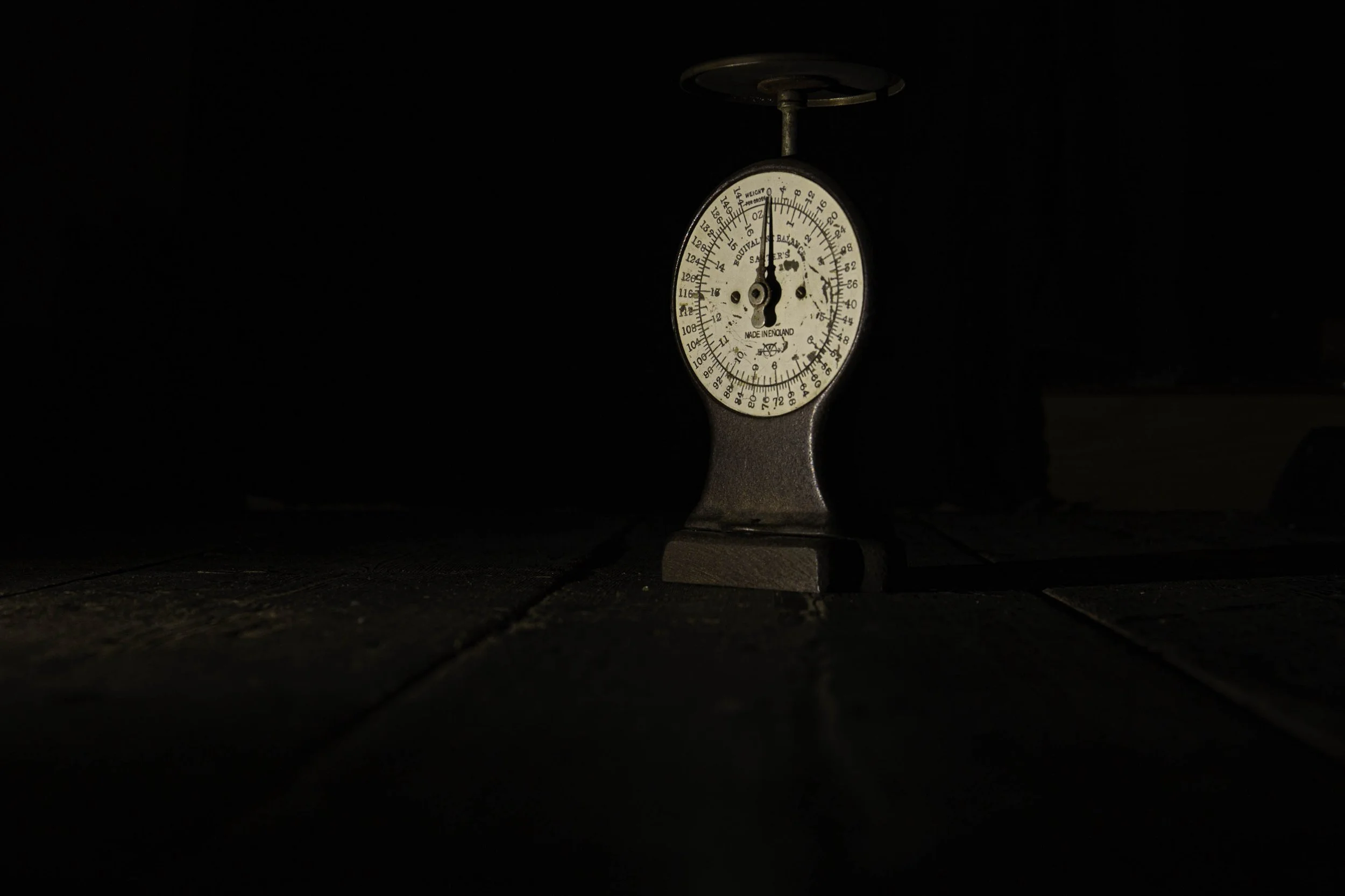
Absence of Light
In that sense, photography becomes a practice of attention. You stop rushing. You wait. You notice when light begins to shift, when contrast builds, when colour deepens or drains away. The image arrives not because you found something new, but because you were present long enough to see it change.
Light is also fleeting. You cannot control it, only respond to it. That limitation keeps the work honest and demands patience rather than force. Some of the images I value most came from standing still and letting the moment resolve itself.
I think this is why viewers often respond emotionally to images even when they do not recognise the location. Light is universal. We all know what warmth feels like. We all recognise tension in high contrast, or calm in soft tonal ranges. The image does not need explanation if the light is doing the work. Sometimes it is the absence of light that has just as powerful of impact as the presence of it…adding to the mood and feeling within an image.
When I photograph, I am not trying to show you where I have been. I am inviting you into a moment that existed briefly, shaped entirely by light, and then disappeared.
Thanks for reading
Neil