
Introducing After Dark, a new photographic journey into the extraordinary world of cities after sunset.
There is a particular moment in a city when everything begins to change. The last traces of daylight linger between the buildings, streetlights begin to illuminate the roads, and windows that were almost invisible an hour earlier suddenly become part of the skyline. As the evening progresses, familiar streets reveal colours, shapes and details that seem to have been waiting for darkness to arrive.
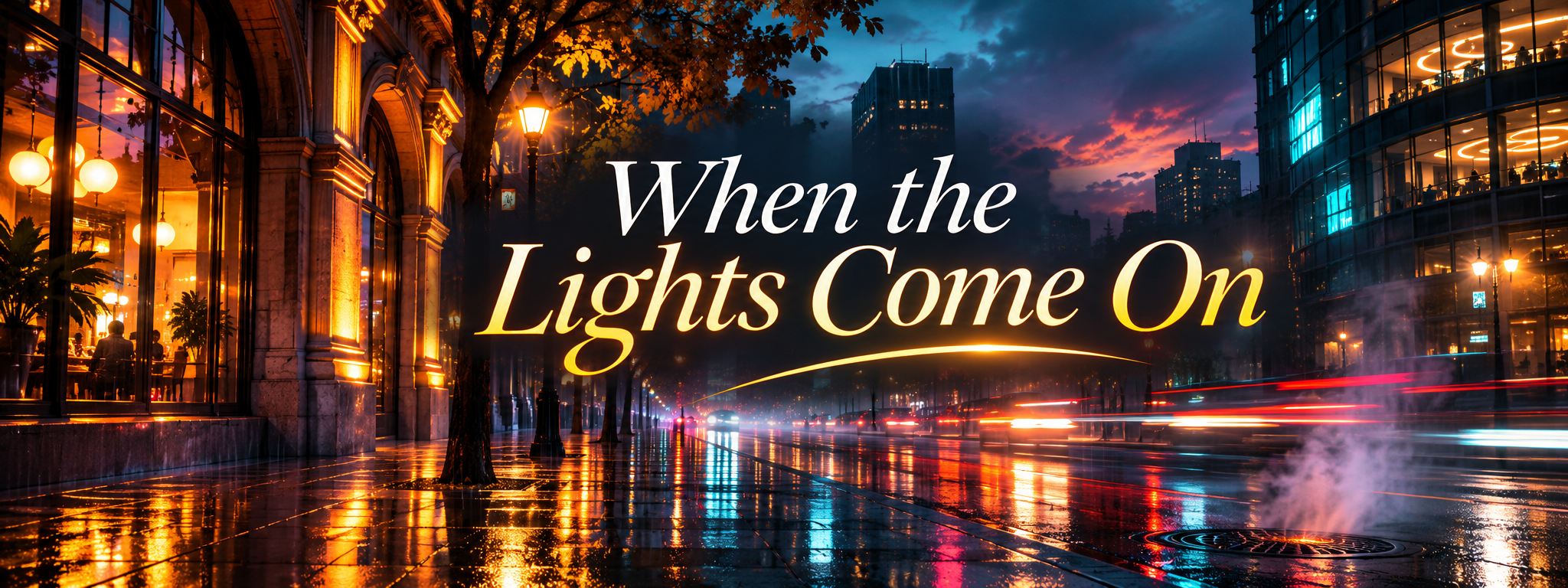
I've always found something fascinating about that transition. Places we might barely notice during the day can become extraordinary after sunset, not because the architecture has changed, but because the way we experience it has. Glass reflects the surrounding lights, historic buildings acquire a different character, and even the movement of traffic becomes part of the visual landscape. The city is still the same place, yet it offers an entirely new way of seeing it.
For me, this is where some of the most exciting photographic opportunities begin. There is a distinctive energy to cities at night, whether it's the intensity of a busy urban centre or the unexpected calm of a quieter street. I've often found myself drawn towards illuminated buildings, unusual reflections or a particular combination of colours, wondering what might happen if I explore a little further or look at the scene from another angle.
It's that curiosity, and the excitement of discovering something unexpected, that has made nighttime city photography such an important part of my photographic journey.
Photographing a city at night presents a different set of challenges, but those challenges are often what make the experience so rewarding. Artificial light doesn't behave like daylight. It arrives from multiple directions, in different colours and intensities, sometimes illuminating a subject beautifully while leaving everything around it in darkness. The challenge is to recognise how those contrasting elements might come together to create a photograph.
I particularly enjoy the unpredictability of it all. A rain shower can turn an ordinary pavement into a wonderful surface of reflected colour, while passing vehicles create movement through an otherwise static composition. Sometimes the smallest details become the most interesting part of a scene: a reflection in a window, a narrow strip of light across a building or the way shadows emphasise an architectural feature that might otherwise go unnoticed.
Of course, not everything works. There are locations that look promising until you arrive with a camera, viewpoints that are interrupted by something unexpected and lighting conditions that simply refuse to cooperate. I've spent plenty of time exploring possibilities that ultimately lead nowhere, but that is part of the process. It encourages patience, experimentation and a willingness to look beyond the obvious.
Occasionally, everything comes together. The light is right, the composition feels balanced and something happens within the scene that gives the photograph its character. Those are the moments that make the time and effort worthwhile, particularly when the resulting image captures something I hadn't originally anticipated.
What matters most to me isn't whether a location is famous or instantly recognisable. It's whether I can find something visually compelling within it. A celebrated landmark can offer extraordinary possibilities, but so can an overlooked street corner, an industrial structure or a quiet building illuminated against the night sky. The opportunity is in discovering what makes the scene interesting, rather than simply recording what happens to be there.
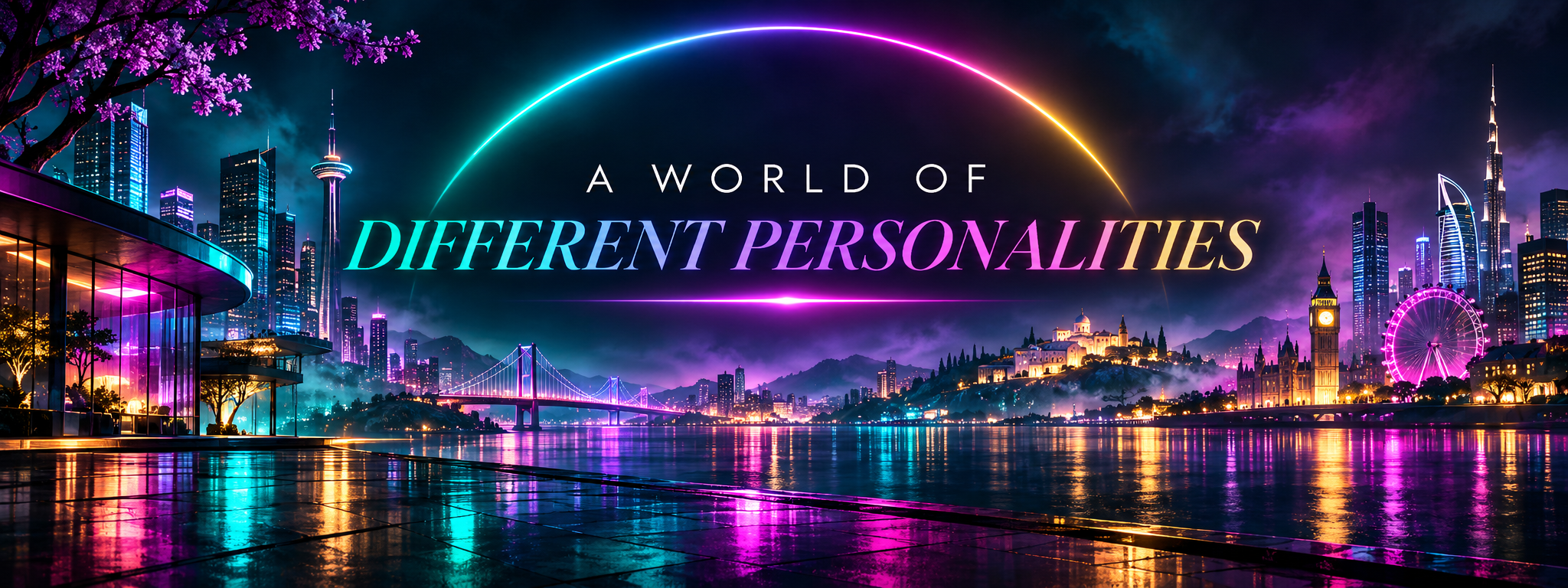
One of the things that makes urban night photography so appealing is the extraordinary variety between cities. Their architecture, streets, skylines and patterns of illumination are shaped by different histories and cultures, giving each destination a visual character of its own. Even familiar photographic techniques can produce completely different results depending on where they're used.
London offers an incredible combination of historic landmarks and contemporary architecture, often brought together by the reflections and movement of the Thames. Birmingham has its own distinctive mixture of industrial heritage, modern development and illuminated waterways, while Coventry presents a fascinating contrast between medieval history and the modern city that has grown around it. These are places I've already explored with my camera, and each has provided opportunities that feel quite different from the others.
But there is an enormous world beyond the cities I already know, and that's where my imagination begins to wander. Tokyo's extraordinary concentration of neon and illuminated architecture, the dramatic layers of Chongqing, the historic bridges of Prague and the remarkable skyline of Dubai are just some of the places that make me wonder what I might discover through a lens.
What interests me isn't simply travelling somewhere new or photographing another famous landmark. It's the opportunity to experience a place for myself, explore its individual character and discover the compositions that appeal to me. Every city has well-known views, but I'm just as interested in what might be found away from those familiar locations.
Some destinations will undoubtedly prove more challenging than others, and some of the photographs I imagine taking today may turn out very differently when I eventually get there. That's part of the excitement. There's no way to know exactly what a city will offer until I've had the opportunity to explore it, and I rather like that uncertainty.
Over time, I've realised that my nighttime city photographs deserve something more than simply appearing as individual images among my wider photographic collections. Although the locations may be different, there's a shared fascination running through them, a particular way of looking at urban environments that connects the photographs and the experiences behind them.
That realisation became the starting point for After Dark, a dedicated photographic project within LensArt that brings together the cities I've already photographed while creating a home for those I hope to explore in the future.
I wanted the presentation to capture some of the excitement I feel when I'm out photographing these environments. Rather than creating another conventional gallery, After Dark has been designed around individual city chapters, each with its own distinctive visual identity and space for the photographs captured there. The experience is deliberately colourful, atmospheric and cinematic, reflecting the energy and variety of the subject itself.
The illustrated city graphics are part of that presentation, designed to evoke the atmosphere of each destination. The photographic collections remain entirely my own work, with the images themselves forming the heart of each city chapter.
London, Birmingham and Coventry provide the starting point, drawing on photography I've already created. Beyond them, a growing selection of Future Chapters represents destinations I would love to visit, from the vibrant streets of Asian cities to the remarkable architecture and illuminated waterfronts of Europe, North America and the Middle East.
These aren't promises of imminent journeys or galleries waiting to be filled. They're aspirations, places that interest me photographically and possibilities that may become reality as circumstances and opportunities allow.
I particularly like the idea that After Dark won't remain fixed in its original form. It can develop naturally as I travel, discover new locations and create photographs that deserve to become part of the project. Some cities may eventually have extensive collections, while others might be represented by just a handful of carefully chosen images. There is no requirement for every destination to produce the same result, because I would much rather create one photograph that genuinely excites me than a dozen that simply fill a gallery but they are not subject to the 10 image limit I have imposed on the standard collections - some cities need to tell a bigger story!
Above all, After Dark gives this particular area of my photography a home and an identity of its own, while leaving plenty of room for whatever comes next.
One of the most appealing things about beginning a project like this is knowing how much remains undiscovered. There are destinations I've thought about visiting for years, places whose architecture has already caught my attention and others that may not even be on my radar yet. I have ideas about what I'd like to photograph, but experience has taught me that some of the most rewarding images are the ones you never planned.
I can imagine arriving in an unfamiliar city during the afternoon, exploring its streets and gradually identifying locations that might offer something special later in the evening. Then returning as the daylight fades, watching the buildings illuminate and seeing whether those initial ideas become the photographs I'd hoped for. Perhaps the weather will provide an unexpected opportunity, or perhaps an entirely different scene will catch my attention along the way.
There will be journeys that produce something extraordinary and others that don't quite deliver what I imagined. Both are part of the experience, and I don't want After Dark to become a project governed by deadlines, destination counts or expectations. I want the freedom to follow the opportunities that genuinely interest me and allow the photography to determine how each chapter develops.
For now, the journey begins with the cities I've already explored and the photographs that first inspired this idea. Where it leads from here is something I'm genuinely excited to discover.
After Dark is an invitation to see familiar places differently, explore unfamiliar ones and appreciate the remarkable visual possibilities that emerge when cities illuminate the night.
Welcome to After Dark.
Choose What Moves You.