The Photograph I Didn’t Take…
I went to the Severn Valley Railway with one photograph already fixed in my head.
A steam train crossing the bridge, framed exactly as I had imagined it before I had even left home. I had looked at the area, thought about viewpoints, considered where I might need to stand, and convinced myself that somewhere around Arley I would find the position I wanted. It was one of those occasions where the photograph almost existed before the day itself had begun. All I needed to do, apparently, was turn up and take it.
Of course, photography has a habit of reminding you that it does not really care about your plans.
I walked, searched, doubled back, tried another route, looked again, and gradually realised that the viewpoint I wanted simply was not going to happen. The access was wrong, the angles did not line up, and every time I thought I might have found another way in, it led nowhere useful.
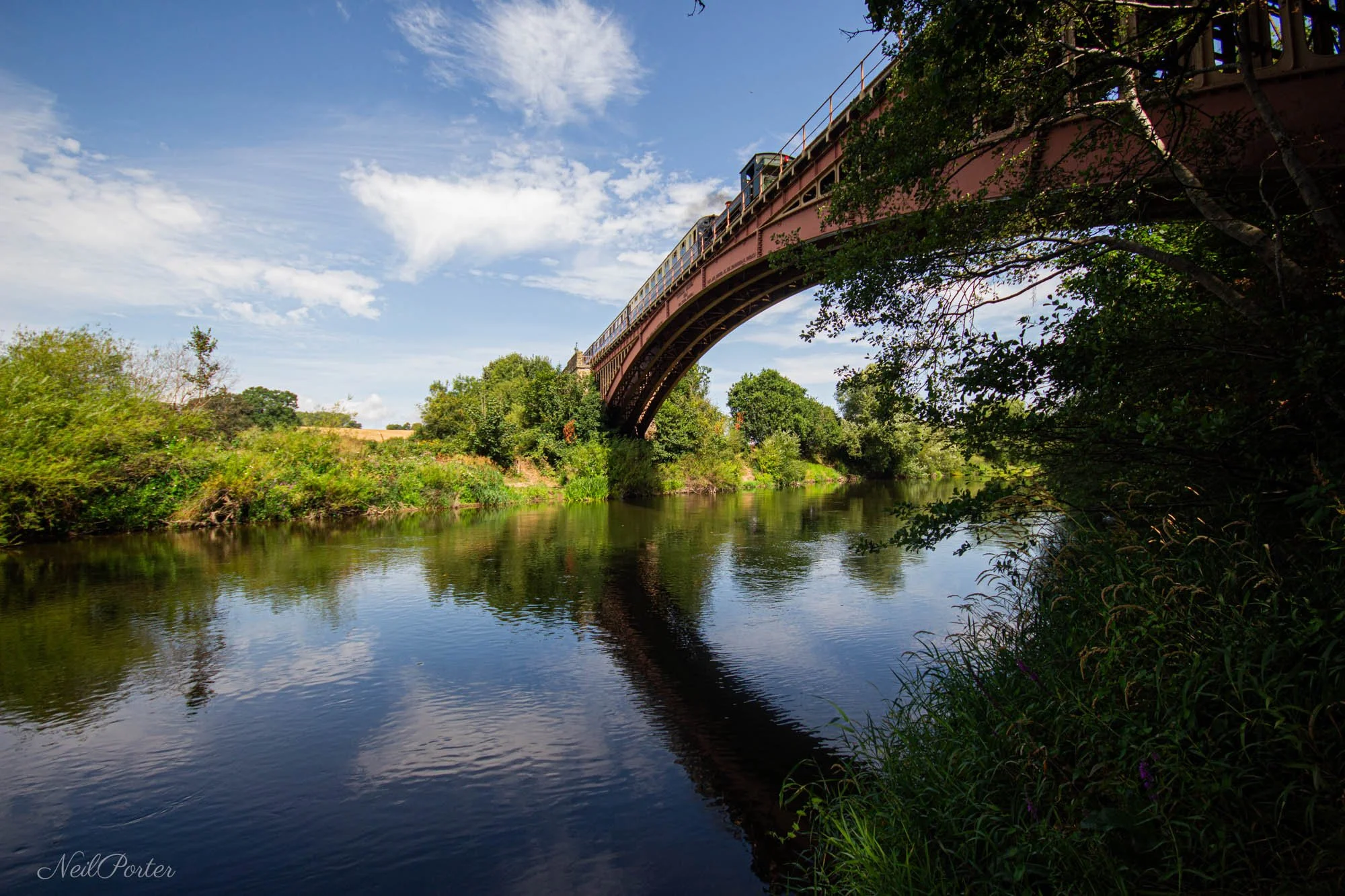
I did photograph a train crossing the bridge, and I had deliberately kept that image back because I knew I wanted to tell this story properly. It is not a bad photograph. In another context I might even have been pleased with it. But it was not the photograph I had travelled there to make. The image in my head had a sense of drama and scale that the reality simply was not giving me. I could feel the frustration creeping in, made worse by the fact that my back had started making its own fairly strong argument that I had probably done enough walking for one day.
That was the point where the day could easily have become a disappointment. I could have carried on chasing the same idea, becoming increasingly annoyed that the landscape was refusing to arrange itself exactly as I wanted, or I could accept that the photograph was not there and start paying attention to what actually was. Thankfully, I chose the latter
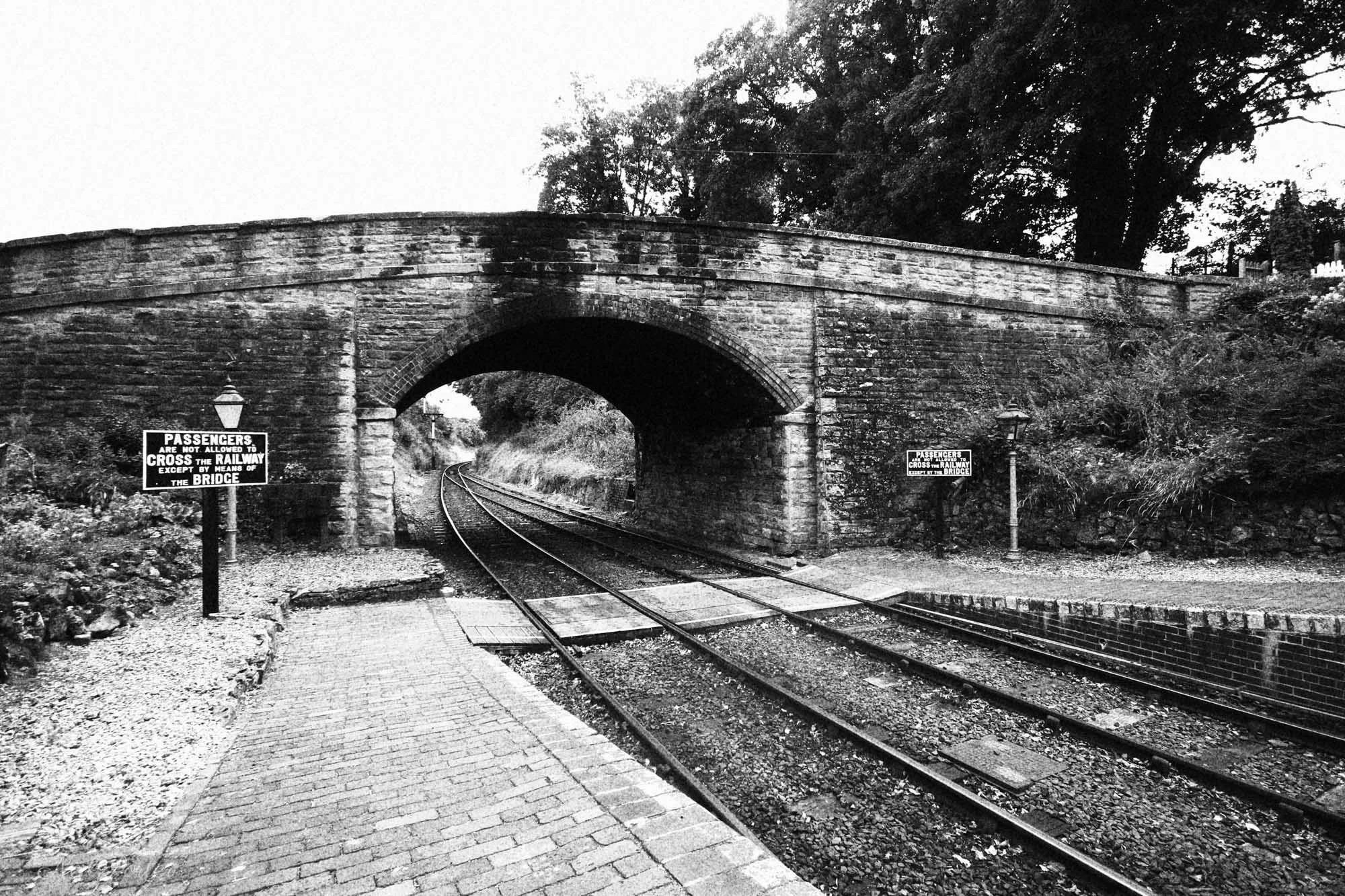
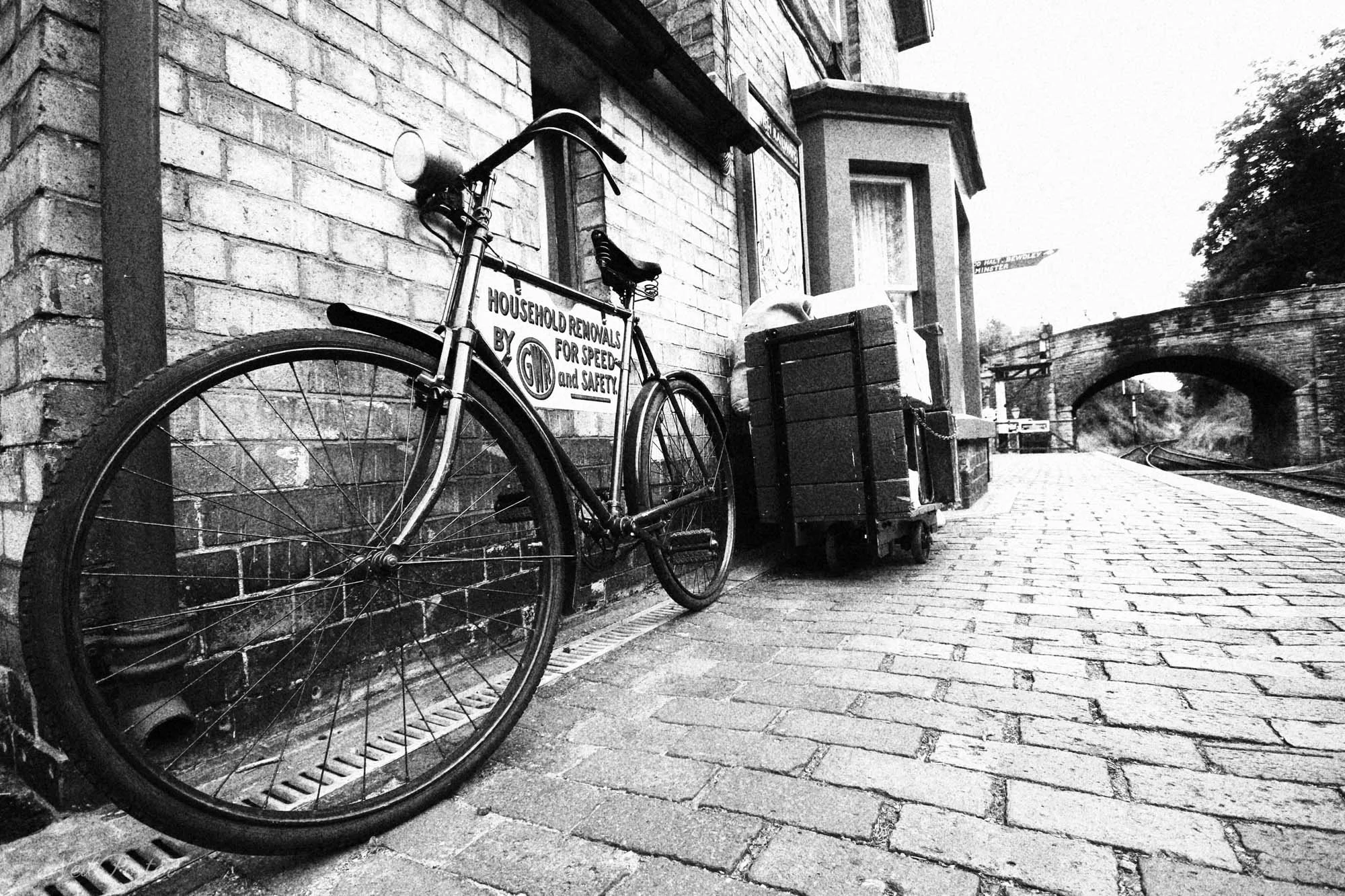
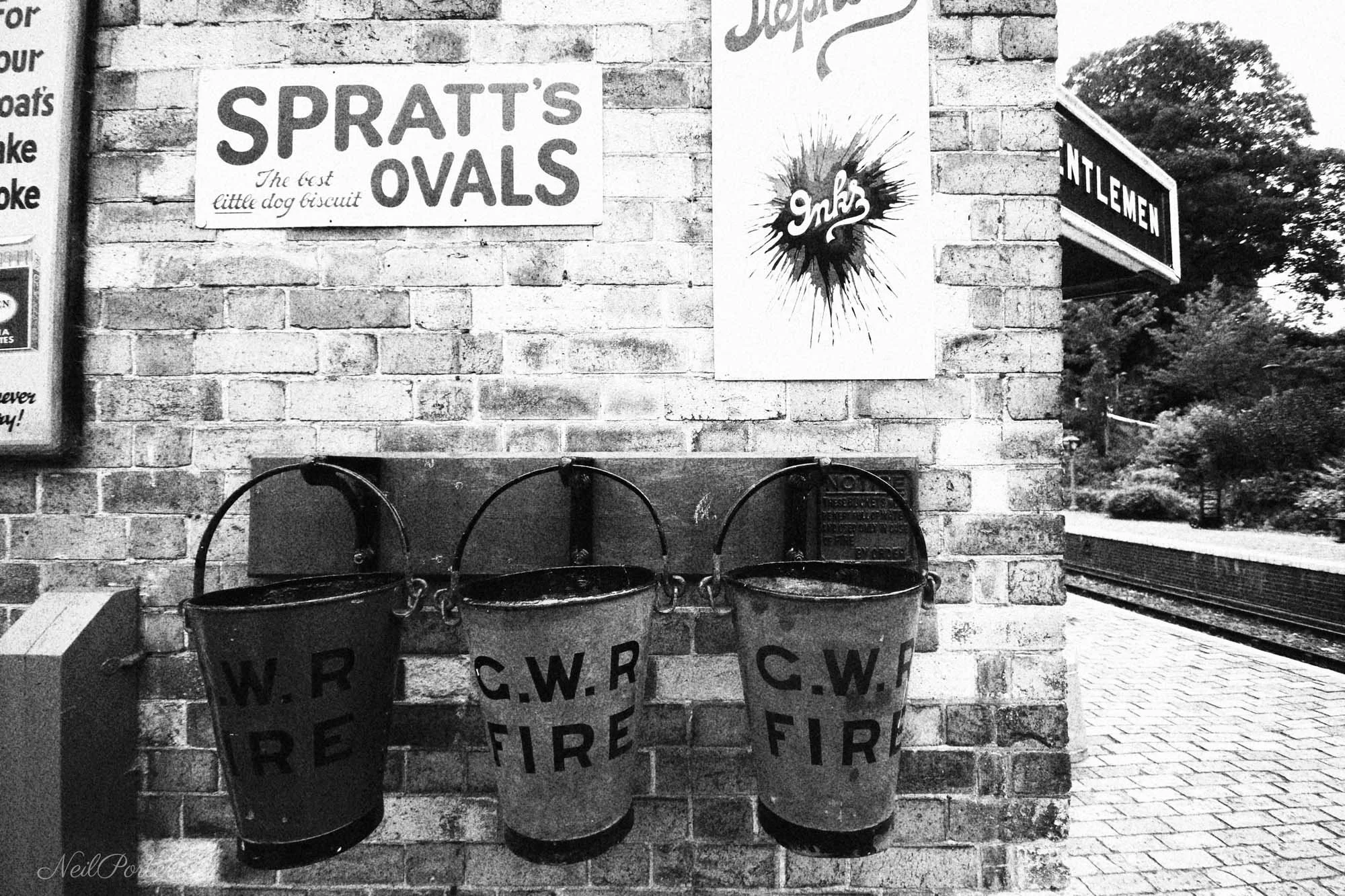
I wandered back towards Arley Station and, almost on a whim, changed the camera profile to a grainier black and white look. That small decision completely changed my mood. I stopped thinking about the bridge. I stopped looking for the photograph I had planned. Instead, I started noticing the station itself. An old bicycle resting against the platform. Coal buckets. Brickwork that had probably been walked past by thousands of passengers without a second thought. Signs, textures, metalwork, steam hanging in the air.
Small fragments of a place that suddenly felt far more interesting than the grand photograph I had spent most of the day trying to reach.
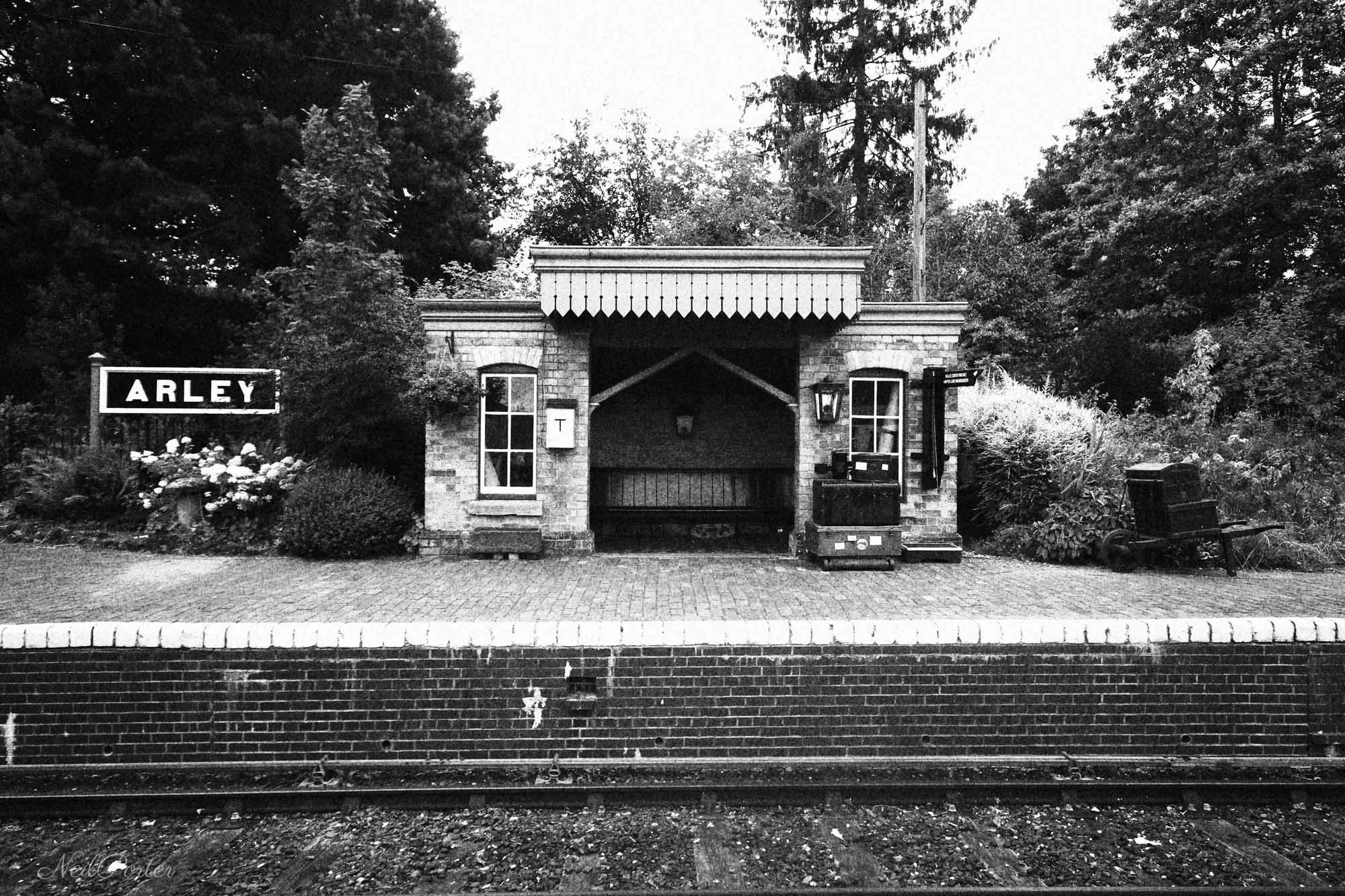
There was something wonderfully freeing about it. Once the expectation disappeared, so did the pressure. I was no longer trying to come home with evidence that the trip had been worthwhile. I was simply wandering around with a camera again, following whatever caught my attention. The black and white treatment suited the place beautifully too. It stripped away anything unnecessary and pushed me towards shape, texture and atmosphere. The photographs became less about recording Arley Station and more about the feeling of being there, surrounded by details that belonged to another era while steam drifted through the platform.
Looking through those images afterwards, I realised something that should probably have been obvious much earlier in the day. The photographs I liked most were not the ones I had planned at all. They were the ones I had only noticed once I had stopped trying so hard to find something else.
That is one of the peculiar things about photography. Planning matters. Research matters. Knowing where you are going and what you hope to find gives a day purpose, and I would never suggest simply wandering around hoping inspiration eventually turns up. But there is a point where a plan can become a set of blinkers. You become so focused on the photograph you think you should be taking that you stop noticing everything happening around it.
The bridge photograph is a useful reminder of that for me. I got it, technically. The train crossed the bridge. I pressed the shutter. The subject I had travelled for existed in the frame. Yet it tells me far less about that day than the bicycle, the coal buckets, the platform details or the steam drifting through the station. Those unexpected photographs carry the experience with them. I can look at them now and remember the change in mood, the moment I stopped fighting the day and started enjoying it.
Perhaps that is why the photograph I did not take matters more than the one I did.
The version I had imagined never really existed. It belonged to the planning stage, shaped by expectations and assumptions about what the day ought to give me. What I found instead was completely different, and ultimately far more valuable. Not because every image was better, but because the experience reminded me what I enjoy about having a camera in my hands in the first place.
Some photography days give you exactly what you came for. Others make you work for something you never knew you wanted.